
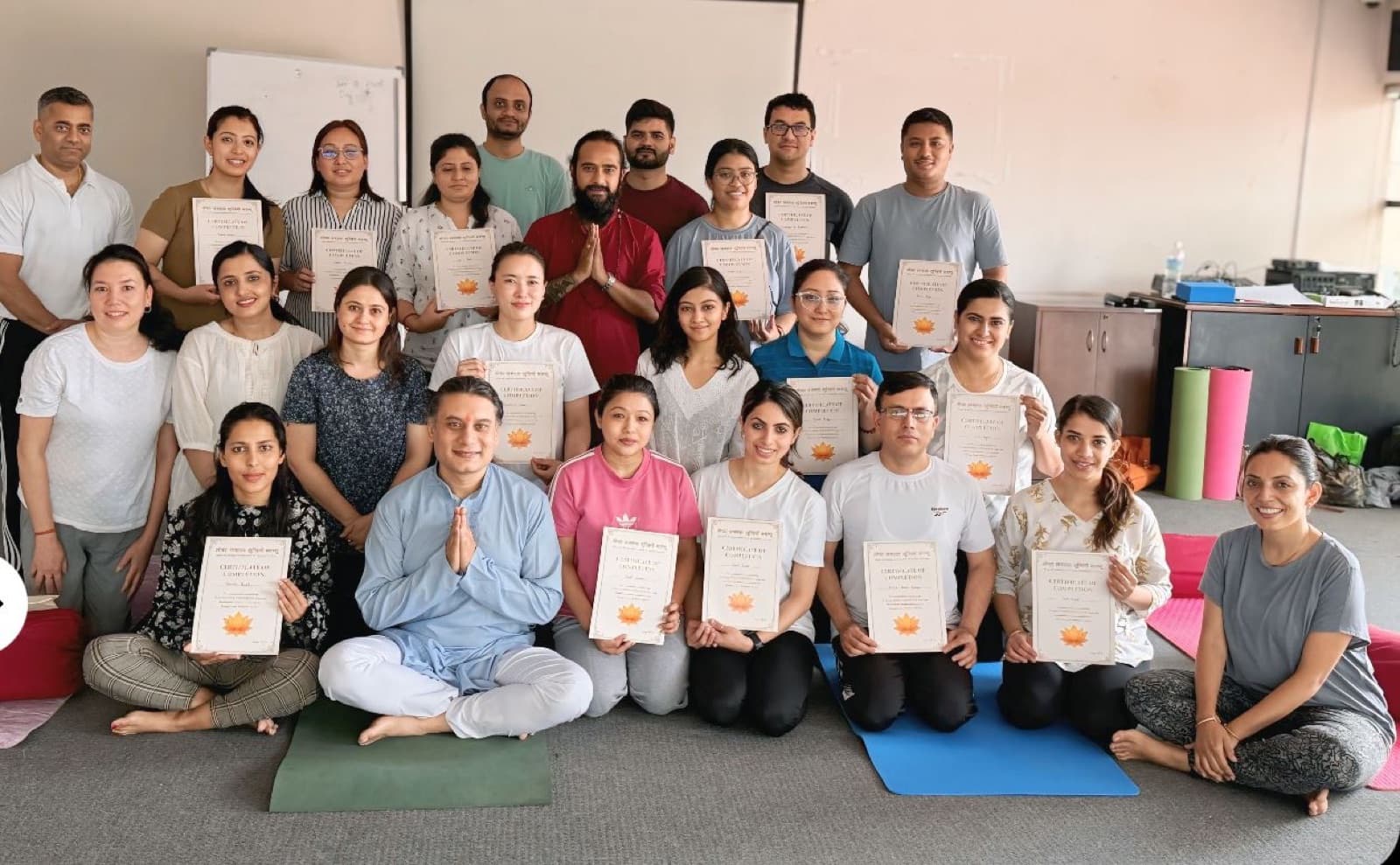
A 200-hour training is the usual first step for anyone who wants to teach yoga, and a good number of people take one with no intention of teaching at all. They want a month of serious practice and a proper understanding of what they have been doing on the mat. Both are good reasons. Here is what to expect, and what to ask before you commit a month and a real sum of money to any school.
What "200 hours" means
Two hundred hours is a widely used benchmark for foundational teacher training. The hours are spread across a few broad areas, and the balance between them tells you a lot about a school:
- Practice and technique — asana, pranayama and meditation, both doing them and breaking them down.
- Anatomy and physiology — how bodies move and differ, and how not to hurt people.
- Philosophy, history and ethics — where yoga comes from and what a teacher owes their students.
- Teaching skills — sequencing, cueing, adjusting, holding a room, and practice teaching with feedback.
Yoga Alliance, the largest international registry of yoga teachers and schools, publishes the standards it sets for registered 200-hour schools. Even if registration is not important to you, the document is a useful checklist of what a complete curriculum contains.
What the days are like
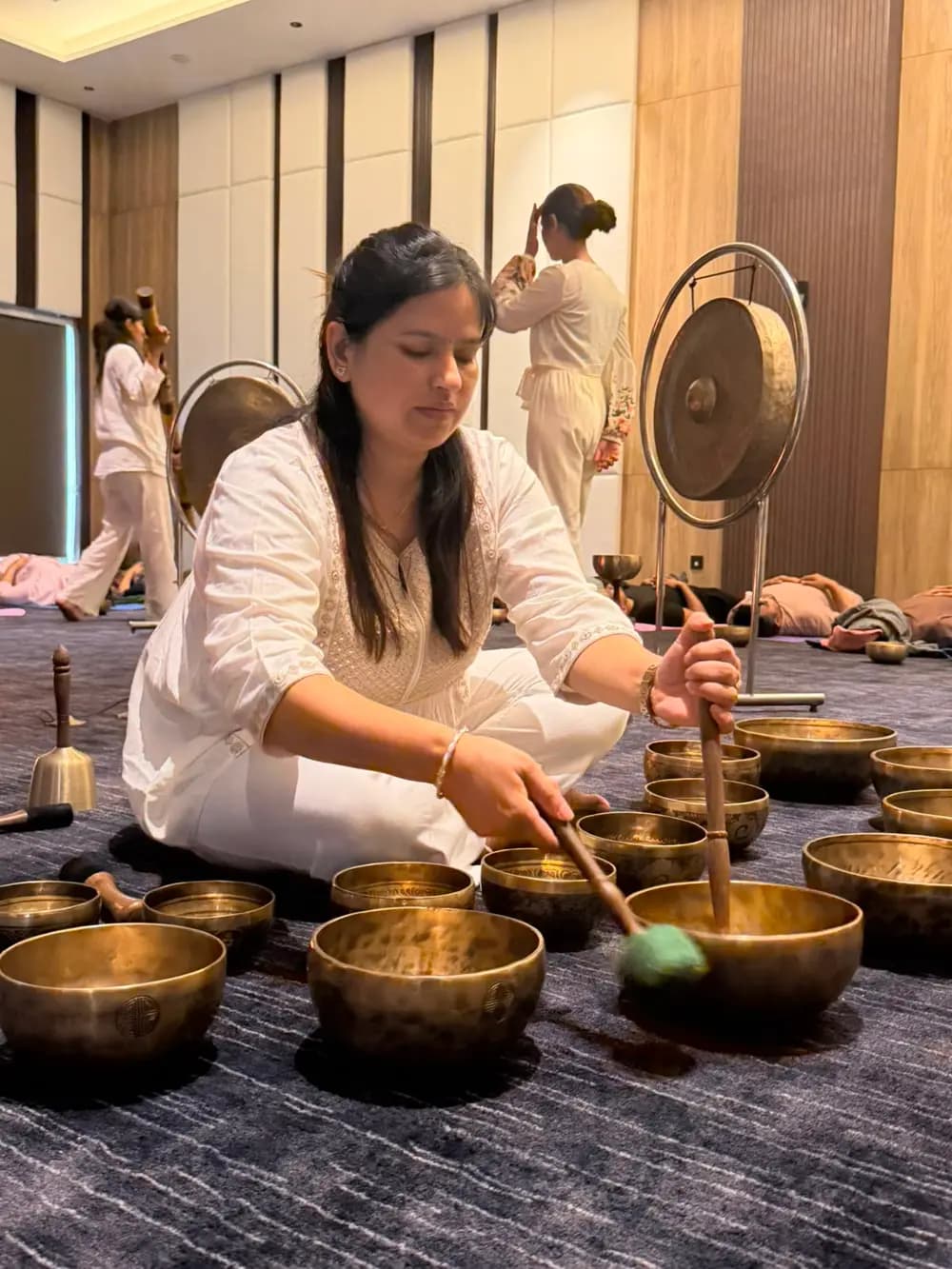
Residential and intensive trainings follow a similar rhythm everywhere: an early start, a long morning practice, breakfast, theory sessions through the middle of the day, and teaching methodology or a second practice in the afternoon. Evenings are for reading, rest and, increasingly as the weeks go on, preparing the classes you will teach to your fellow trainees.
It is more tiring than people expect, and the tiredness is mental as much as physical. Most trainees have a difficult stretch somewhere around the middle. That is normal and it passes.
Questions to ask any school
Ask these of us, and of anyone else you are considering.
- Who teaches, and how much of the course do they teach? A famous name on the website who appears for two days is not your teacher. Read about the people who will be in the room every day. You can meet ours on the teachers page.
- How many students are in a group? Feedback on your teaching is the most valuable thing a training gives you, and it does not scale. Small groups matter more than any other single factor.
- How much practice teaching is there, and from which week? You learn to teach by teaching. Look for it starting early, not in the last few days.