
A class timetable lists names. It rarely tells you what an hour of each one feels like. Hatha, Ashtanga and Yin share the same roots and many of the same postures, but they ask very different things of you. Here is how to tell them apart, and how to choose.
Hatha: the foundation
Hatha is the broad family that most physical yoga descends from, and as a class style it means a steady, unhurried practice. Postures are taken one at a time and held for several breaths. There is time to find the shape, adjust it and notice what it does.
- Pace: slow to moderate, with pauses between postures.
- Effort: moderate. You will work, but you will not be out of breath.
- What it builds: alignment, balance, body awareness and the habit of breathing steadily while holding still.
- Who it suits: almost everyone, and beginners especially. If you are new, start here. A standing balance like Tree Pose is classic Hatha material: simple to enter, endlessly refinable.
Ashtanga: the discipline
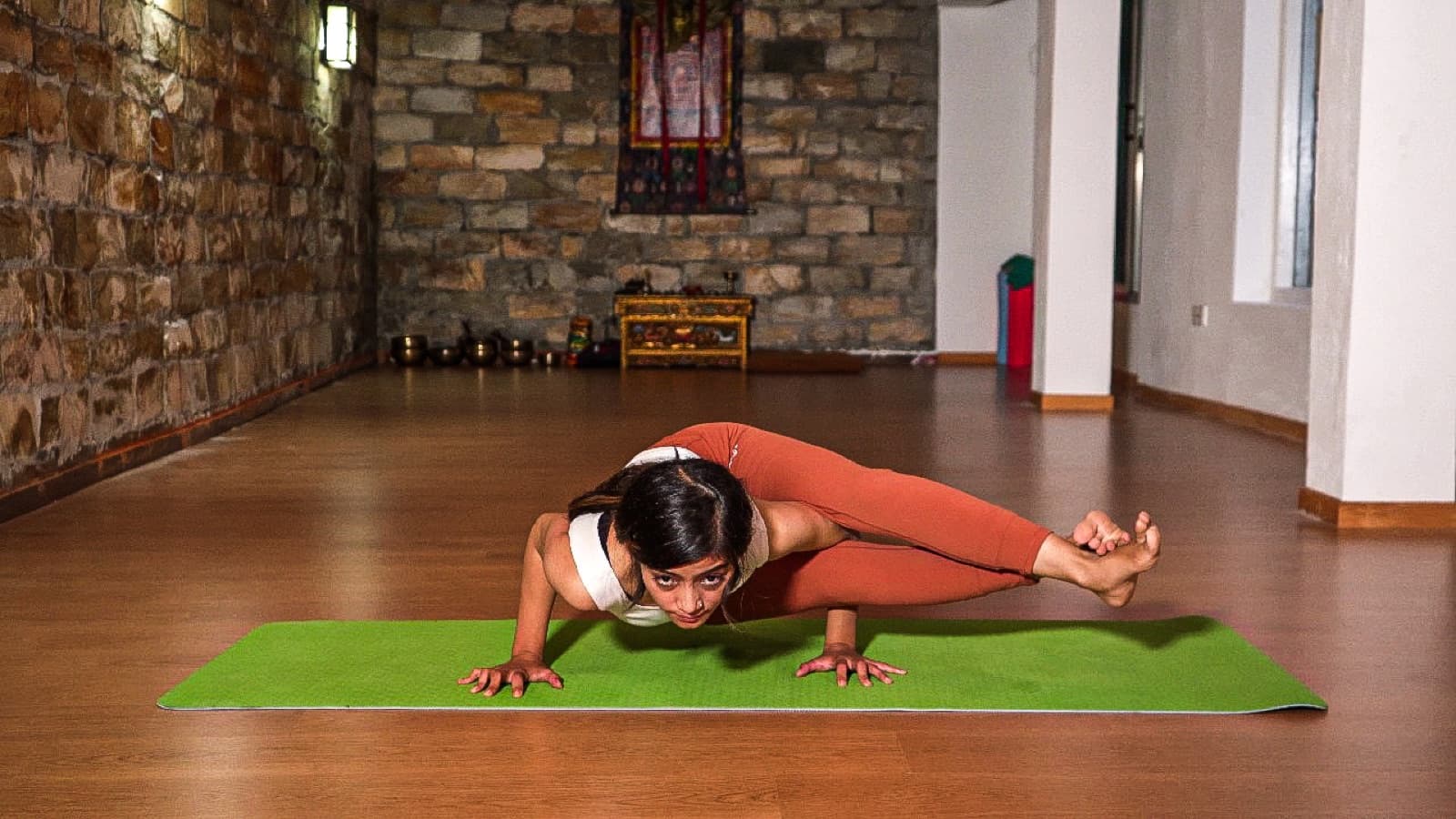
Ashtanga is a set sequence. The postures come in the same order every time, linked by flowing transitions and paced by the breath. Because the sequence never changes, there is nowhere to hide and nothing to decide; you simply meet the same practice again and see how you are today.
- Pace: continuous and rhythmic.
- Effort: high. It is warm, athletic work and you will sweat.
- What it builds: strength, stamina, focus, and a practice you can eventually do on your own anywhere.
- Who it suits: people who like structure and measurable progress, and anyone with a reasonably established practice. Complete beginners can join, but expect to do less of the sequence at first, and do not mistake that for failing.
Yin: the counterweight
Yin turns everything down. Postures are mostly seated or lying, supported by the floor and props, and held for minutes rather than breaths. Muscles are asked to relax so that the slower, deeper tissues around the joints take gentle, sustained load.
- Pace: very slow. A whole class may be eight or ten postures.
- Effort: physically low, mentally demanding. Staying still with sensation and with your own mind is the work.
- What it builds: range of movement, patience and the ability to be quiet.
- Who it suits: people who sit all day, athletes and Ashtanga practitioners who need balance, and anyone who finds stillness difficult, which is most of us.