
When you first walk past the studio or scroll a timetable, the names look like jargon. Hatha, Ashtanga, Vinyasa, Yin. Sound Healing. Pranayama. Without context, choosing yoga practice for you feels like guessing, and a single wrong guess can send you out the door thinking yoga is not your thing when really you simply picked the wrong door.
The truth is simpler. Different styles ask different things of you. Some build strength, some lengthen, some calm. Some suit early mornings, others suit tired bodies. The key is matching the practice to what you actually want, not what you think you should want. Here is how to find it.
What do you want yoga to do for you?
Start here. Yoga is not one thing, and it does not do only one thing. Before you look at timetables, ask yourself what would make you come back.
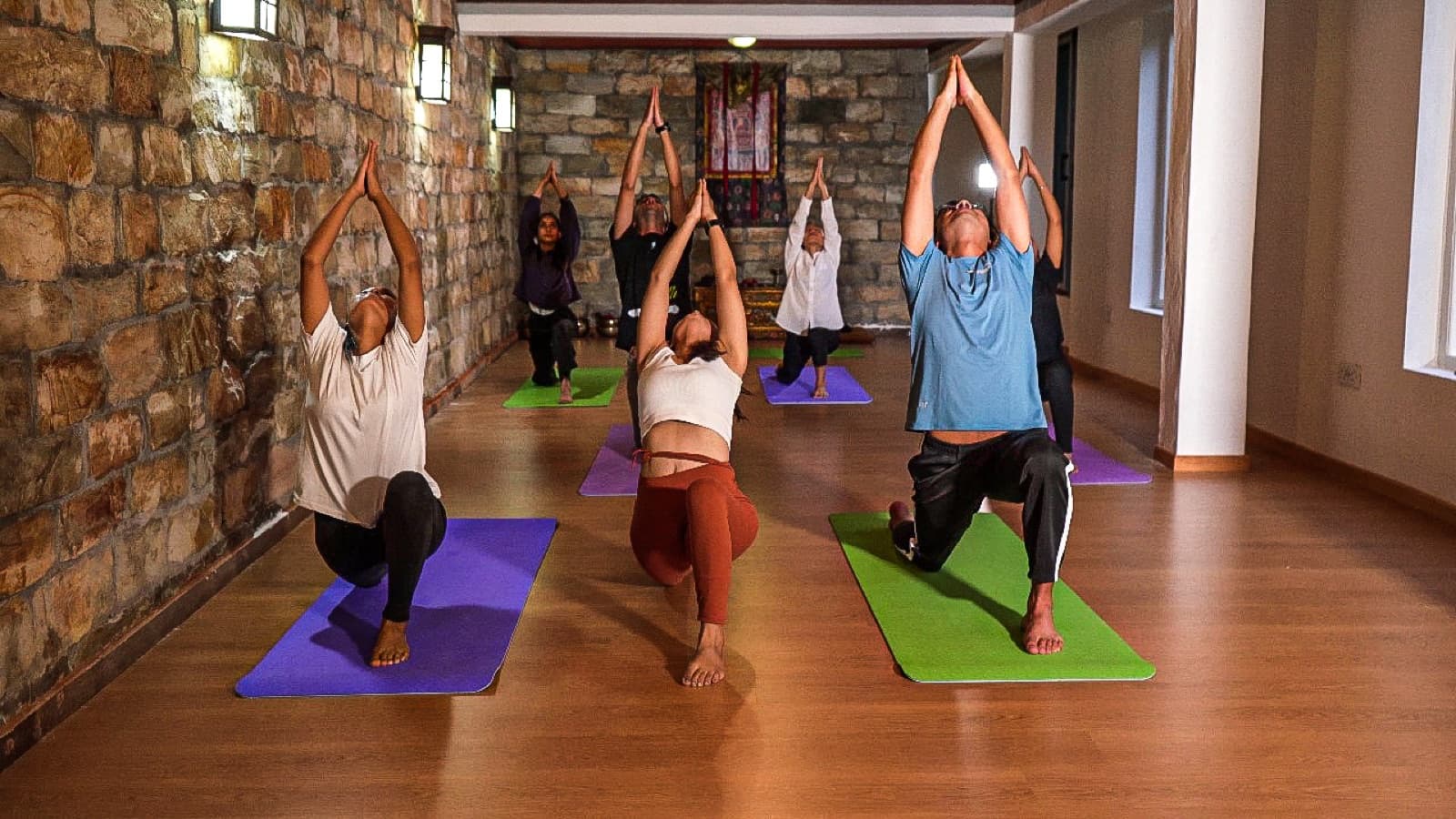
Yoga for strength works differently from yoga for flexibility, though they often happen in the same body. Ashtanga and Vinyasa are flowing, continuous practices where strength builds as you move through sequences. If your goal is to feel stronger, these practices reward you with the intensity you seek.
Yoga for flexibility happens best in sustained, stationary postures. Hatha and Yin both lengthen you, but differently. Hatha classes hold poses for several breaths and build awareness of the shape; Yin holds them for minutes and lets the deeper tissues around joints gradually open. If you sit at a desk all day or feel stiff when you roll out of bed, these styles work with your time rather than against it. Flexibility is not the opposite of strength; it is the partner that prevents strength from becoming brittleness.
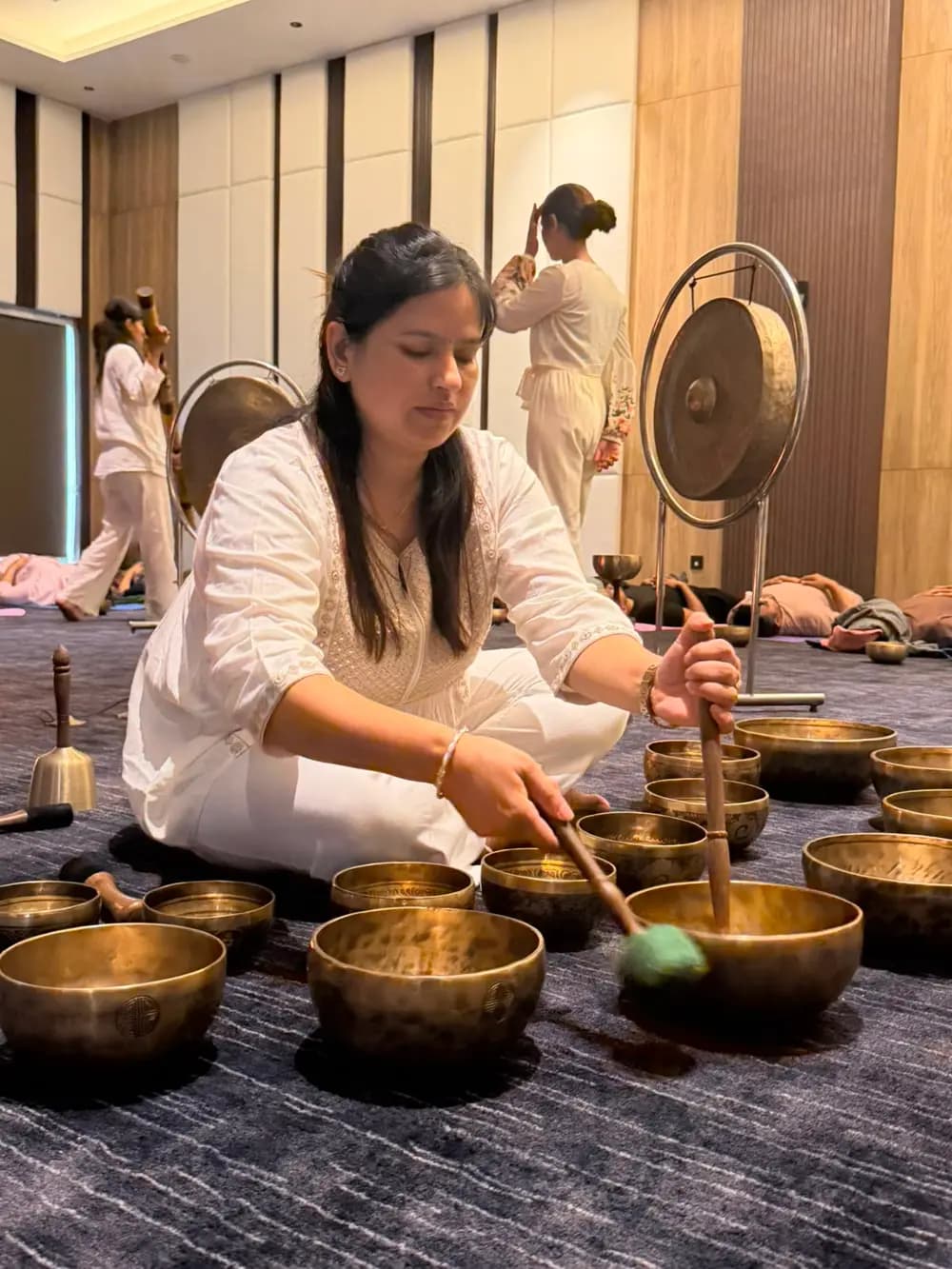
Yoga for stress relief shows up in every style, but the mechanism changes. Fast practices use intensity and focus to quiet a racing mind; you cannot think about your email when your lungs are working hard. Slow practices use stillness; the mind settles when the body settles. Sound Healing and practices paired with breathing work like pranayama act on your nervous system directly. The choice depends on whether you unwind through exertion or through quiet.
Matching yoga practice to goals means knowing yourself a little. Are you someone who thinks through exercise, or someone who needs the exercise to silence thinking? Do you have an hour or fifteen minutes? Are you recovering from something, or building something new? The answer shapes which practice fits.
The styles, briefly
The full comparison of Hatha, Ashtanga and Yin lives elsewhere, but here is the sketch.
Hatha is steady and forgiving. Postures are held long enough to find and adjust the shape. It teaches alignment and body awareness, and suits almost anyone from day one. If you are choosing yoga style for you and you are not sure which, start here.