
Yoga for beginners is less about who you are now and more about who you become if you show up. Many people imagine their first yoga class as a room of impossibly flexible people holding poses that seem designed for bodies that are not theirs. This misunderstanding keeps more people from starting than any actual barrier. A beginning yoga practice builds from exactly where you are, not where you think you should be. Yoga is a complementary practice, not a substitute for medical care.
What actually happens in your first yoga for beginners class
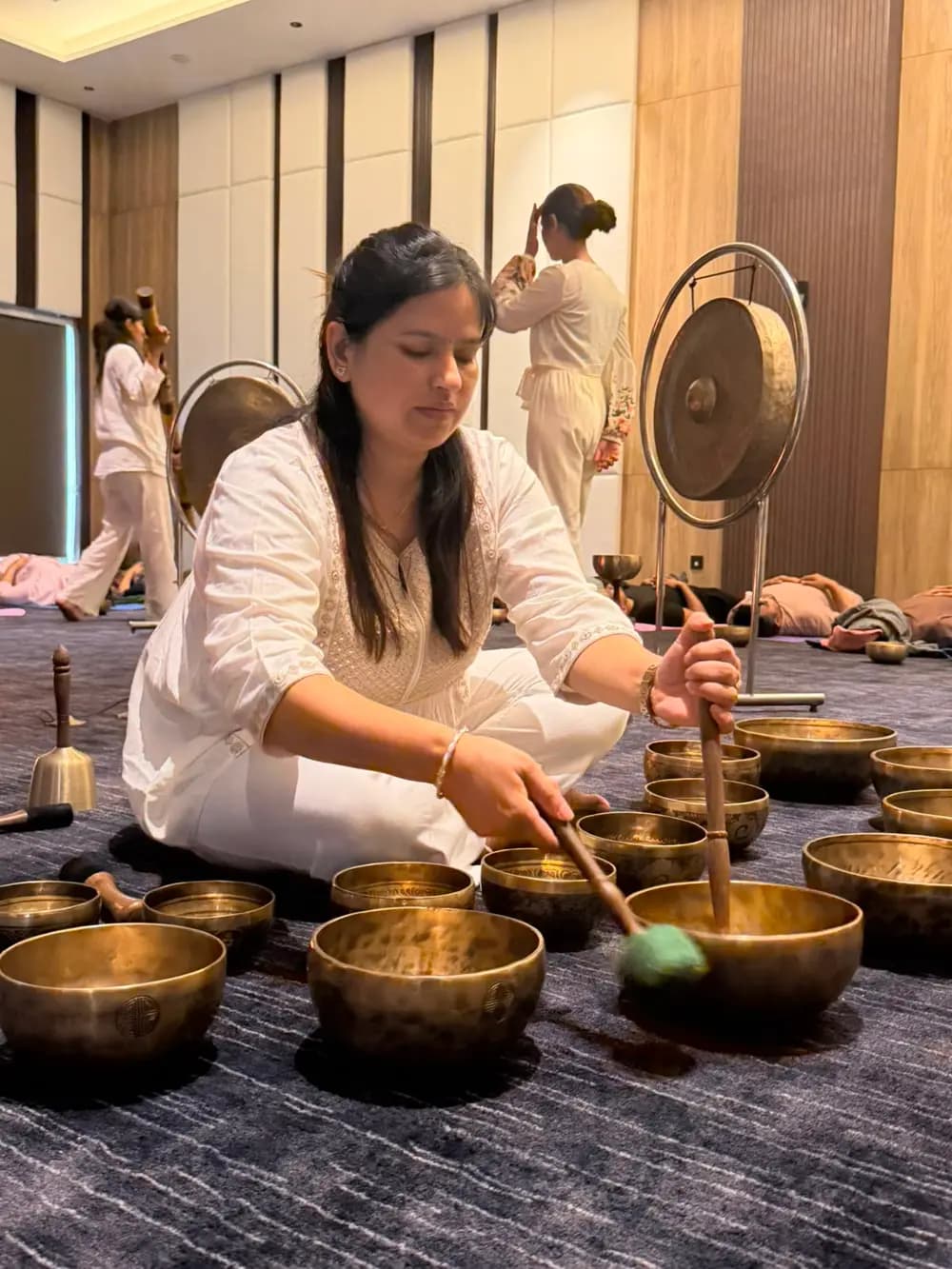
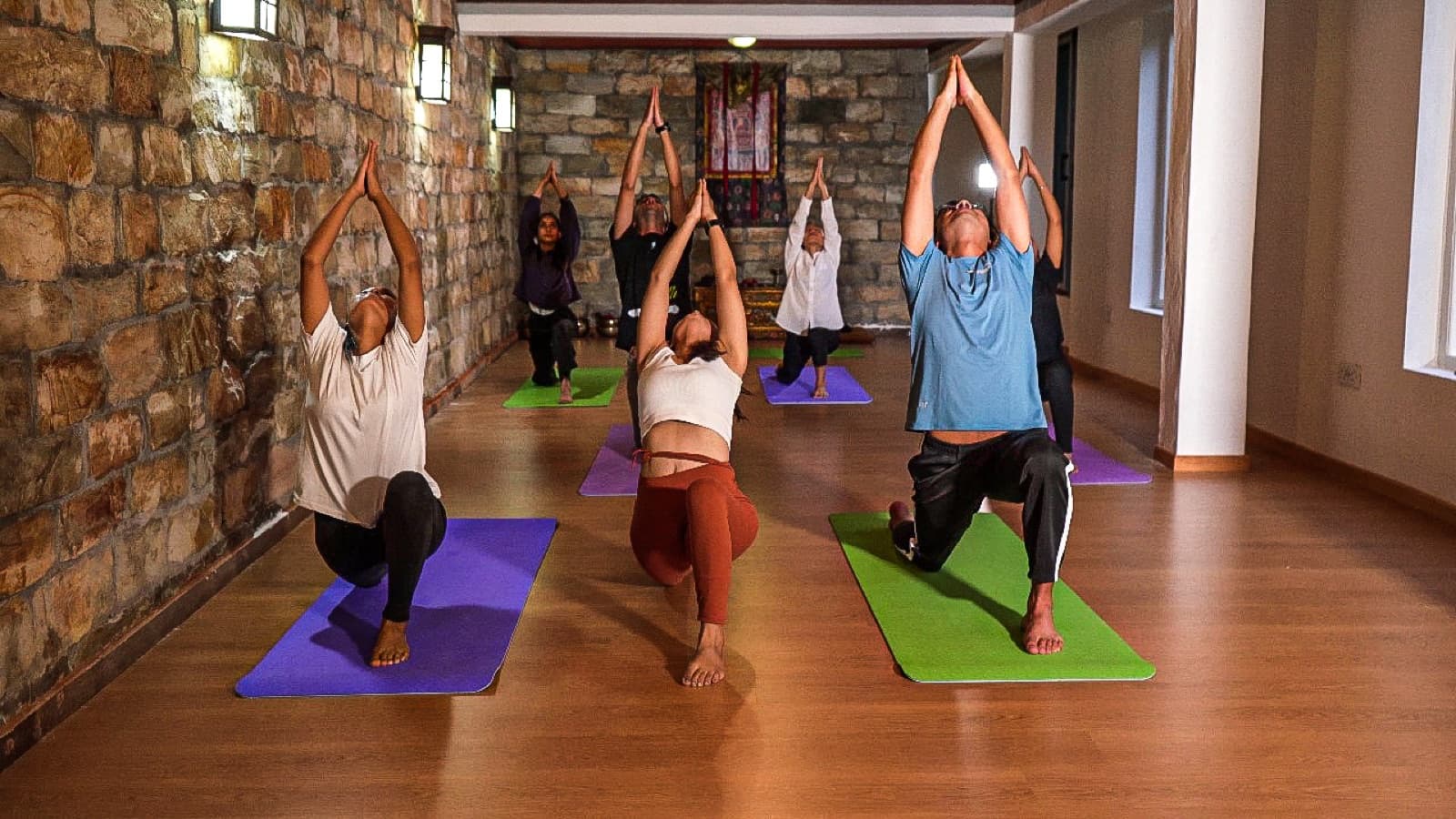
When you walk into a class at Rising Lotus, the room holds people at every stage of their practice. Some have been coming for years; most are trying it for the first time. The teacher knows this. The class is built so that both the newcomer and the regular can work at the edge of what their body asks.
A class typically lasts an hour. The hour breaks into three parts: a few minutes of settling and breath work, longer periods of moving through poses, and a final stretch and rest. This structure matters. It gives your nervous system time to shift from the bustle of arriving into the calm that movement creates. The breath work helps; paying attention to breath anchors your mind, and anchoring your mind is half of what yoga is.
The poses have names—some Sanskrit, some English—and they have variations. When the teacher shows a full version of a pose, they also show a gentler way in and an easier alternative. If you are stiff this morning or recovering from something, you choose the version that suits you. There is no performance in this room. Your body talks to you in a class; you listen.
On the timetable, the style changes each day: some mornings teach Hatha, some Ashtanga, some Vinyasa. Hatha works slowly and holds poses longer, building awareness. Ashtanga links breath to movement in a set sequence, building focus. Vinyasa flows from pose to pose with continuous motion, building rhythm. If you are new to yoga, trying different styles will teach your body which rhythm it prefers.
Beginning yoga practice and what practitioners experience
Many people who start a regular yoga practice report changes in how they feel. Practitioners often describe a sense of ease in the shoulders and steadier breathing. What the research does and does not show is summarised plainly by the US National Center for Complementary and Integrative Health, which is also where to read about practising safely if you have an injury or a health condition. In our experience the style and the intensity matter less than the habit: a modest practice you actually keep is worth more than an ambitious one that stays imagined.
The key is consistency. If you are new to yoga, coming twice a week for the first month is enough for the shapes to stop being strange. After a month, you will have a clear sense of whether yoga is for you. You do not need to commit to a grand plan; simply twice a week is the starting point.