
Choosing a yoga studio matters because you will spend time there, breathe there, and work with whoever teaches. A studio that suits one person may not suit another. The choice depends on what you need, what the teachers offer, how the room feels, and whether the community matches your intentions. Here is how to think through each part.
Teacher experience and credentials
When choosing a yoga studio in Kathmandu, ask how long teachers have been teaching and what training they hold. A teacher with a decade of experience brings different insight than one with three years. An experienced teacher has seen many bodies, many injuries, and knows how to meet people where they are.
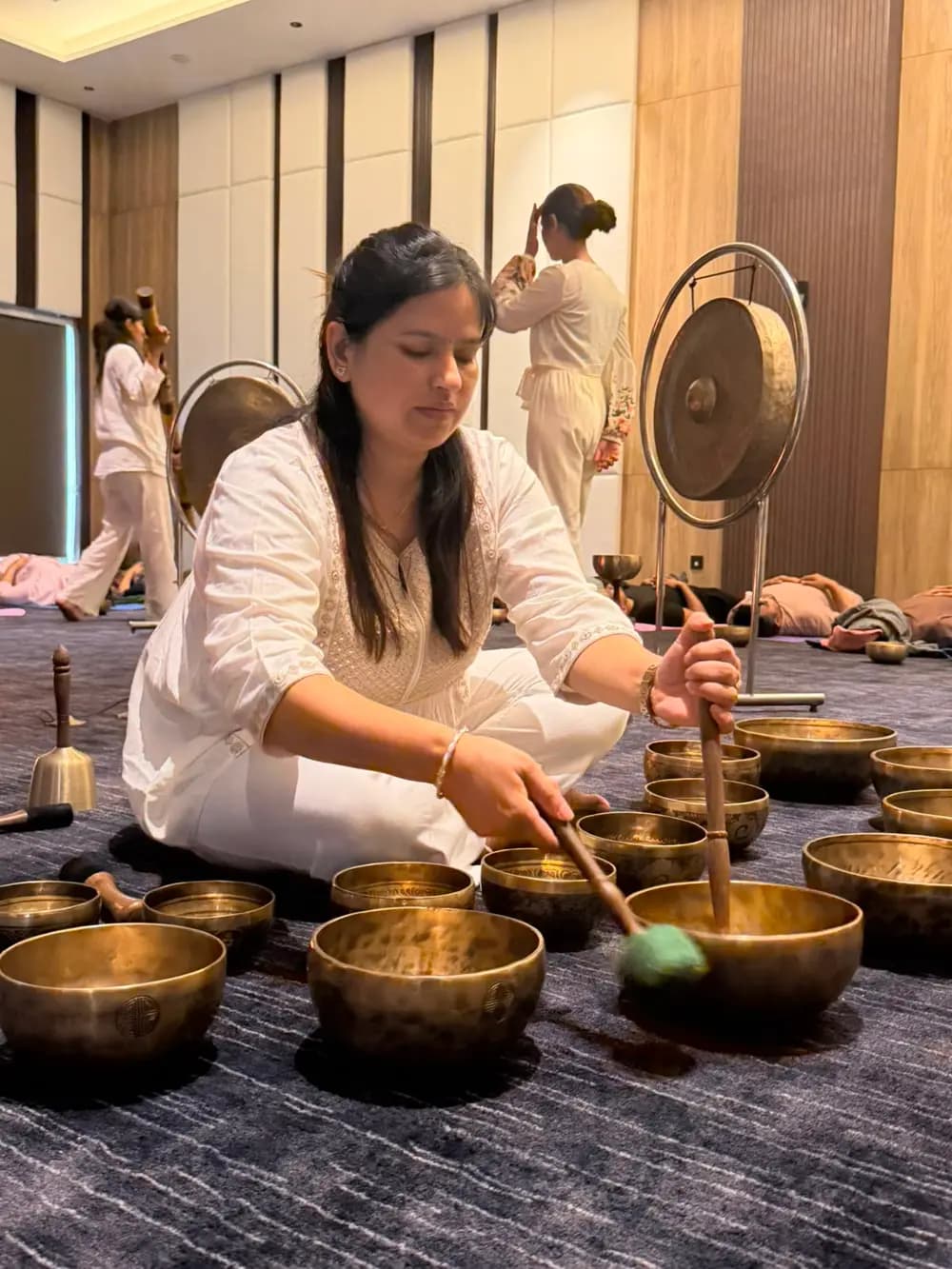
Kalpana Thapa Dulal teaches Hatha and Ashtanga at Rising Lotus. She has worked in sound healing for over a decade and completed yoga teacher training at Nepal Yoga Academy in 2018. This combination shapes how she teaches. When you look at the teacher profiles, you can read not just credentials, but the path each teacher has taken.
Ask what teachers specialise in. Some excel with beginners, others understand injuries, some bring energy work or sound healing into their teaching. None of these is "better"—they are different. Knowing which fits your needs is part of finding the right yoga teacher connection.
Yoga studio environment and space
Walk into the room and notice what is there. Is it quiet or facing a busy street? Is the air fresh? Are there mirrors or an empty wall? Does temperature feel right?
The yoga studio environment shapes how easily you focus. Mirrors invite comparison; an empty wall invites presence. Cold air keeps you alert; warmth helps muscles release. You will spend 60 minutes in this room once or twice a week or more. It deserves to be a space you want to be in.
Temperature matters with the style. Hatha does not build as much internal heat, so the room may stay cooler. Ashtanga and faster classes warm naturally as your practice deepens. Some studios heat deliberately; others let the practice do the work. Know what the timetable shows about which style runs when, and notice whether the space feels right.
Class size considerations
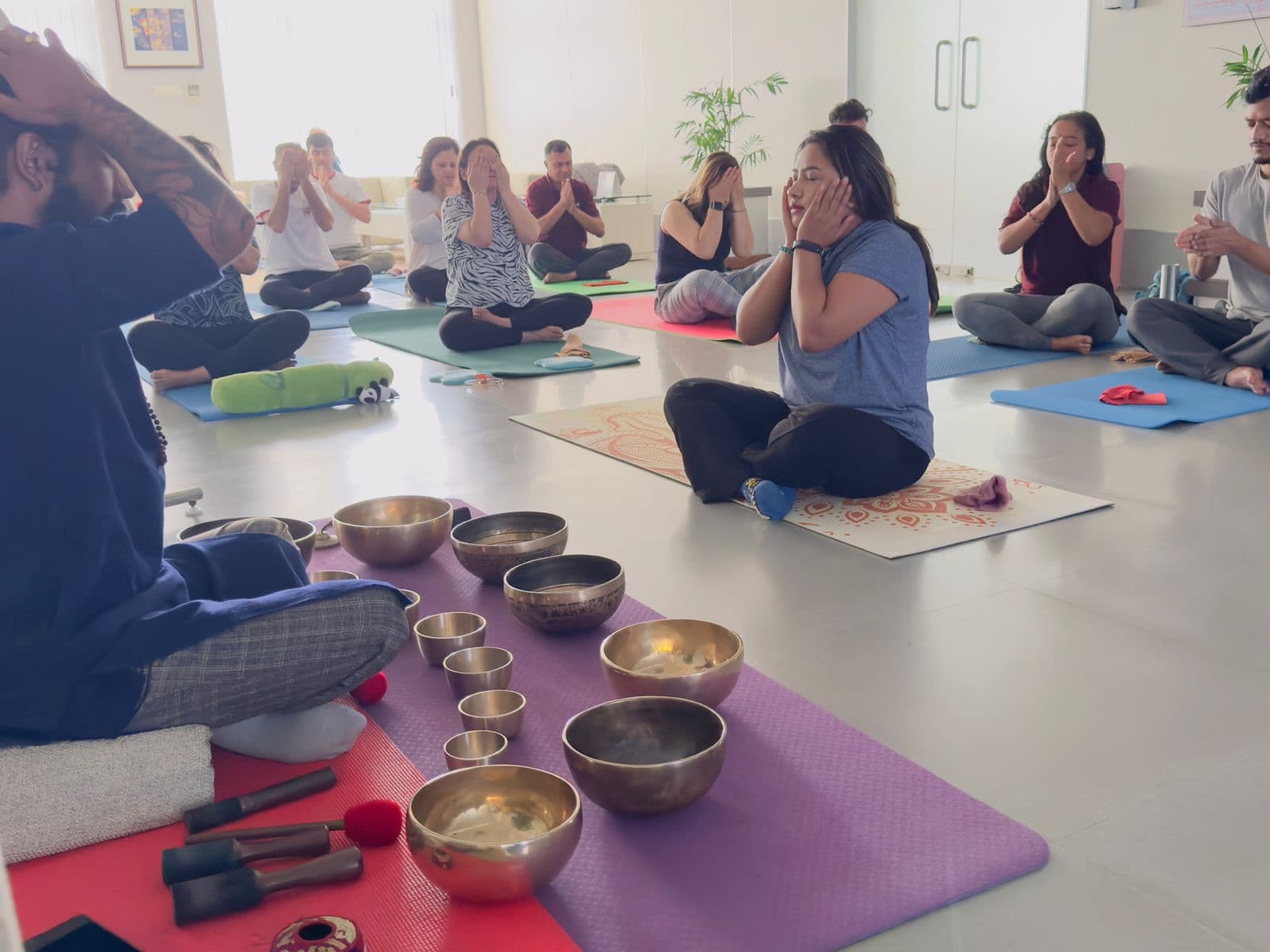
A large class has energy; people move together, breathe together, and you feel part of something. A small class means individual attention—the teacher can watch alignment and remember your needs week to week.
There is no perfect size. Some people thrive in a full room; others prefer a small group. The studio community grows from a consistent group of people who create friendships over time.
Ask how many people typically attend. Some studios fill to capacity by design; others keep a comfortable limit. Both work—what matters is knowing what to expect.
Finding right yoga teacher connection
Beyond credentials and experience, notice whether the teacher's style matches yours. Some teachers emphasise alignment and precision. Some focus on breath and energy. Some bring philosophy or chanting. Some stay silent except for instruction. Some move quickly through sun salutations; others linger in each pose.